

Anisodus luridus (syn.Scopolia anomala) PAB 4925
Giant Henbane Bell Solanaceae
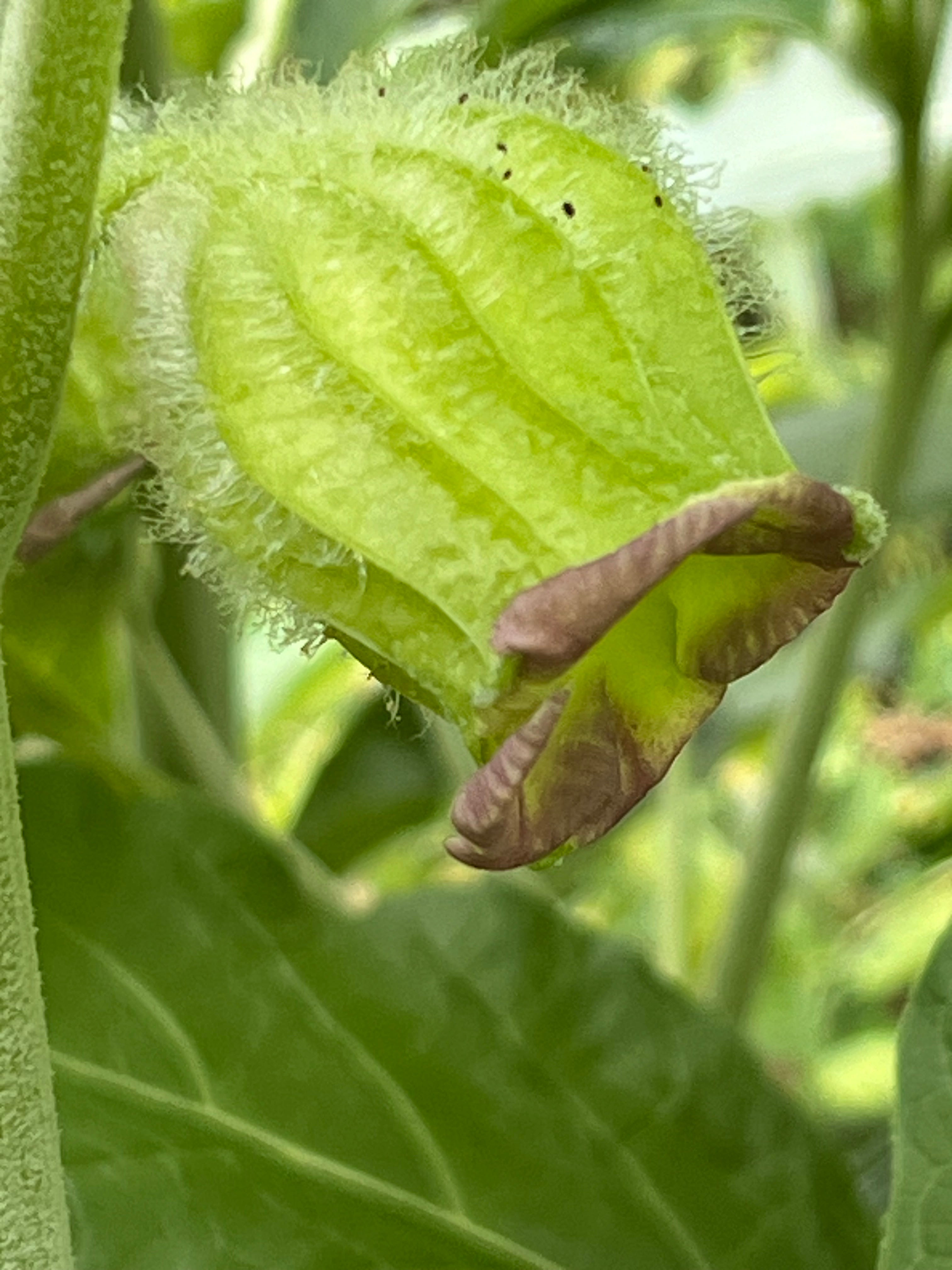
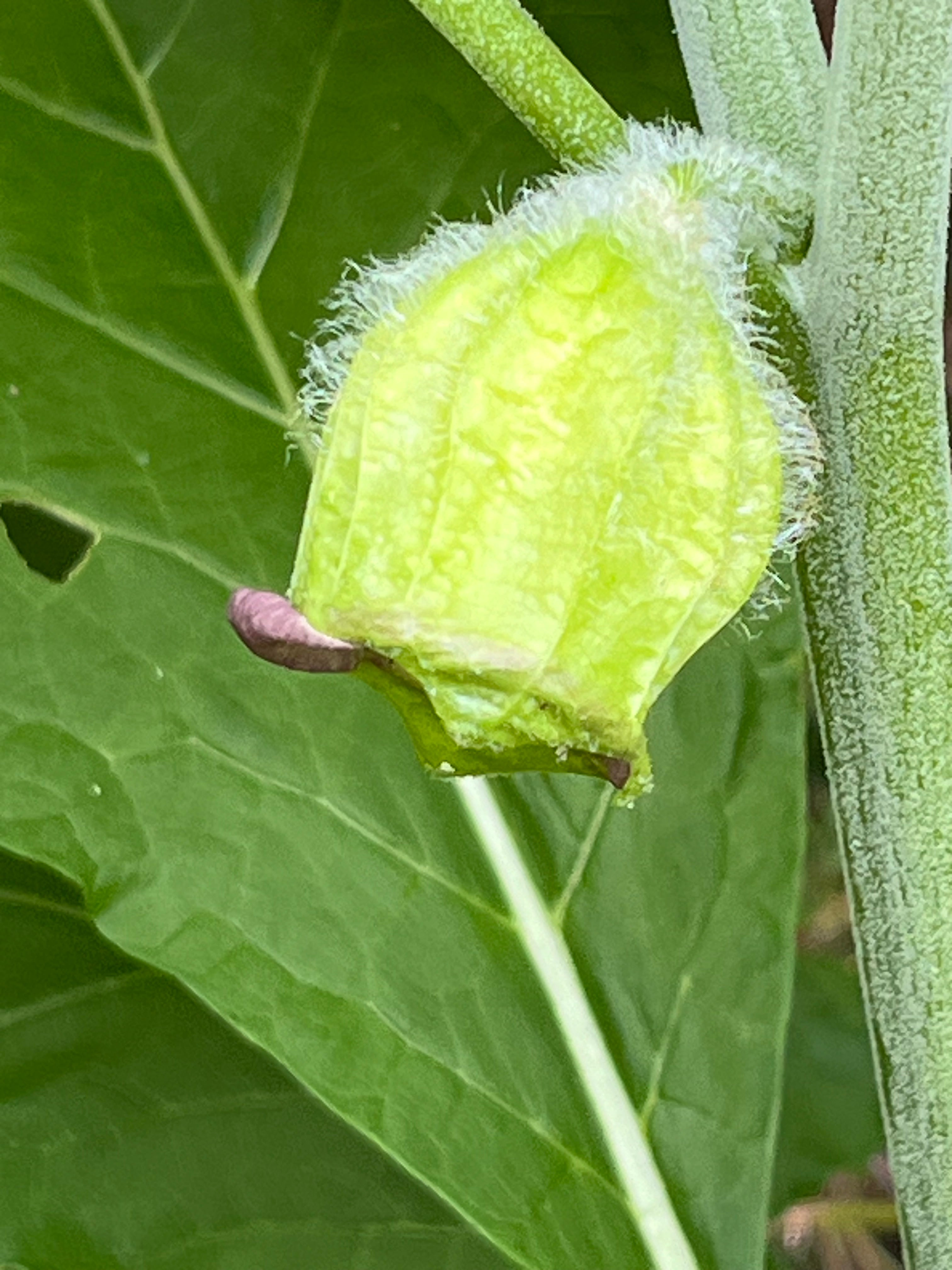
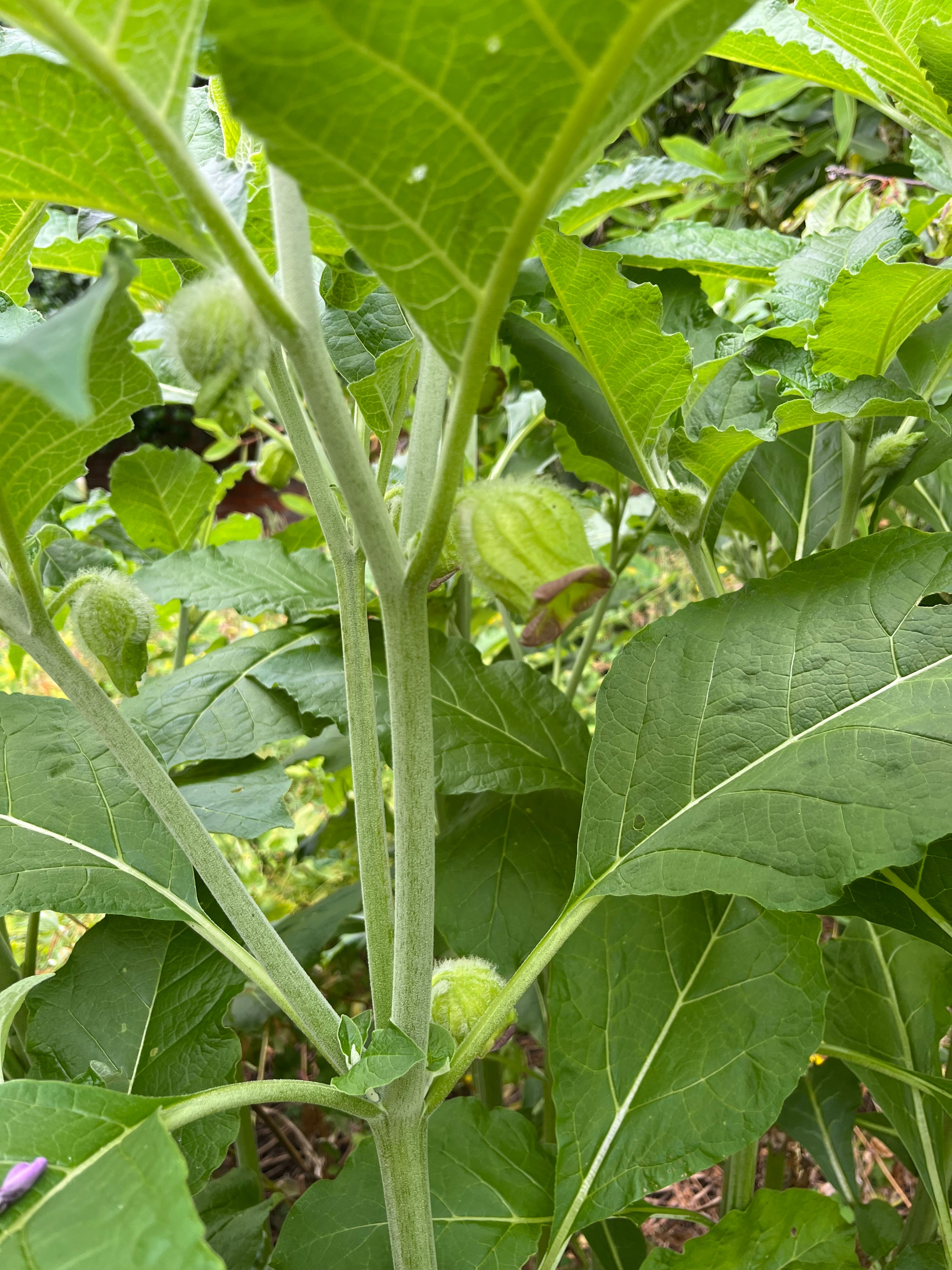
A wonderfully odd member of the Solanaceae, and very much a plant for those who like their perennials with a little botanical menace. Anisodus luridus forms a substantial, upright clump of large, soft, rather coarse leaves, with pendulous, pale yellow-green, bell-shaped flowers held on arching stalks. The flowers are often subtly purplish towards the lobes and can be attractively spotted within. The inflated, persistent calyx remains around the developing fruit, adding to its decidedly curious appearance.
Native to the Himalayas and south-western China, ranging from Nepal and Bhutan through northern India into Yunnan and Sichuan. It occurs in montane habitats, particularly in open situations and lightly wooded areas.
Nomenclature: This plant has accumulated an impressive collection of names over the years. Anisodus luridus has long been used in Himalayan and Chinese botanical literature, while historical names include Scopolia anomala, Scopolia lurida, Anisodus stramoniifolius, Anisodus fischerianus and Anisodus mairei. Scopolia anomala has a particularly convoluted history, having originally been published as Nicandra anomala by Link & Otto in 1825 before being transferred to Scopolia by Airy Shaw in 1937.
There is also a pleasing taxonomic disagreement. Kew currently treats Anisodus luridus and Scopolia anomala as synonyms of Anisodus stramoniifolius, whereas Flora of China retains A. luridus as the accepted species. We retain Anisodus luridus for horticultural purposes, being the name under which this distinctive plant is most familiar. In other words, this particular Solanaceous troublemaker has spent nearly two centuries being passed around the taxonomic hot potato.
Ethnobotany: Anisodus luridus has a long history in Himalayan and Tibetan traditional medicine. The seeds and roots have traditionally been used for toothache, pain and spasms, while medicinal uses of the fruit and other parts are recorded in Nepal and Bhutan. The plant contains potent tropane alkaloids, including hyoscyamine and scopolamine, together with anisodamine. As with several rather glamorous members of the Solanaceae, this is a plant to admire rather than experiment with medicinally.
Height: 1.2–1.8 m
Spread: 60–90 cm
Flowers: May–August
Hardiness: Fully hardy in a sheltered British garden, with good drainage
Best grown in full sun to partial shade in a well-drained soil. Once established it is remarkably drought tolerant, despite producing such substantial foliage, making it particularly useful for hot, dry borders and other situations where less forgiving perennials may struggle. Avoid permanently wet ground, especially in winter. Given reasonable drainage it is a tough and surprisingly resilient plant.
An excellent choice for a sunny border or woodland edge, where its unusual flowers and slightly sinister character can be appreciated at close quarters. A Himalayan Solanaceous curiosity with genuine botanical and ethnobotanical interest — beautiful, drought-tough and just poisonous enough to keep everyone on their toes.
- Standard delivery: £9.99
- Free shipping on orders over £100
- Minimum order is £20
Read more: Shipping & Delivery