

Allium chinense
Rakkyo Amaryllidaceae
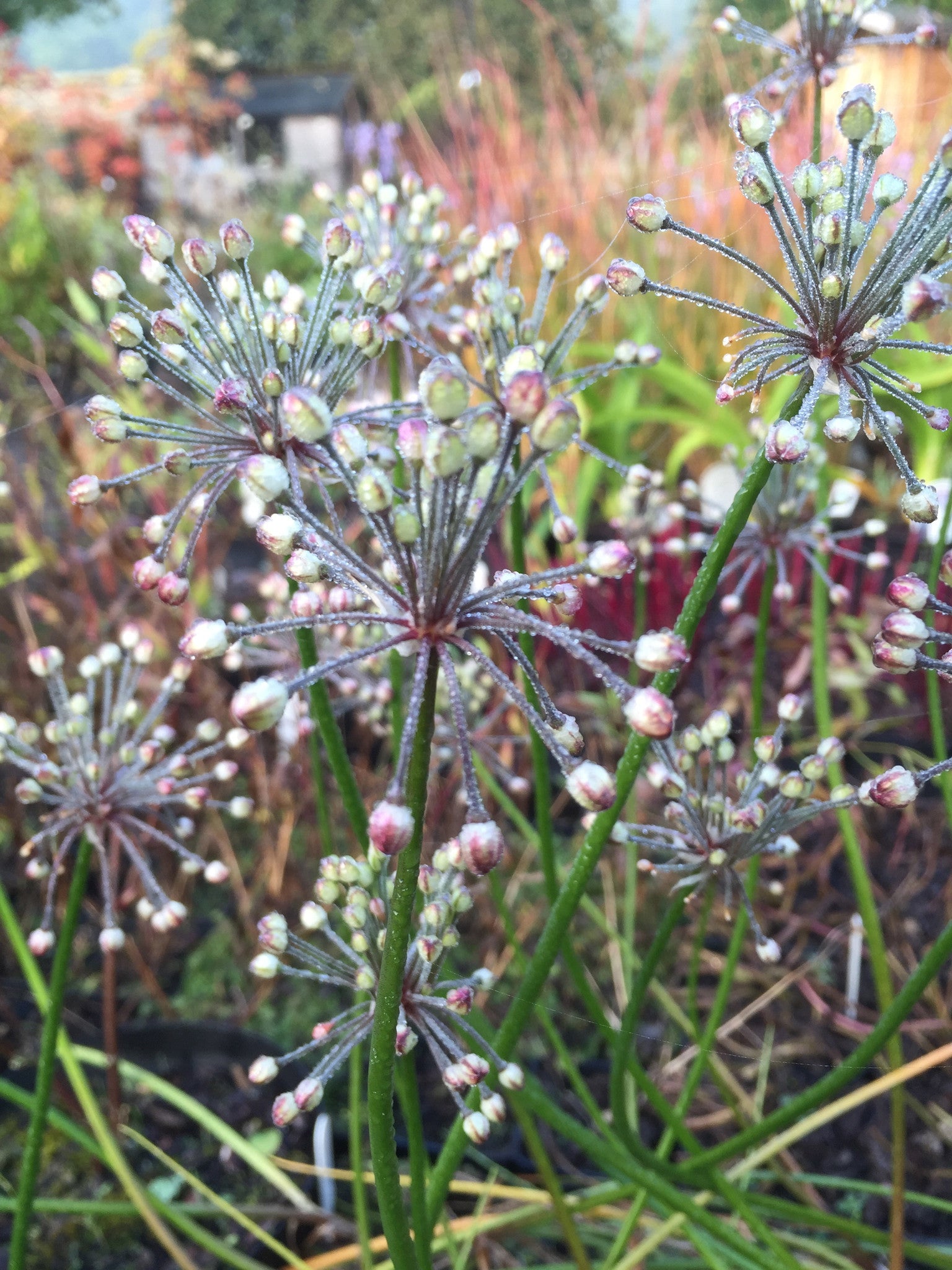
A charming and exceptionally useful perennial onion, forming neat clumps of narrow, hollow, blue-green leaves with slender flowering stems topped by loose heads of pale lilac to dull purple flowers. It is a close relative of the onion and shallot, but produces clusters of small, crisp bulbs rather than a single large onion. Flowering is unusually late for an Allium, generally occurring in October and November, making it particularly useful for extending the season of both ornamental and edible interest.
Native to south-central and south-eastern China, including Hainan, it has subsequently been introduced and cultivated widely across Asia, including Japan, Korea, Thailand and the Himalayan region. In China it is particularly associated with tropical and subtropical cultivation as a vegetable.
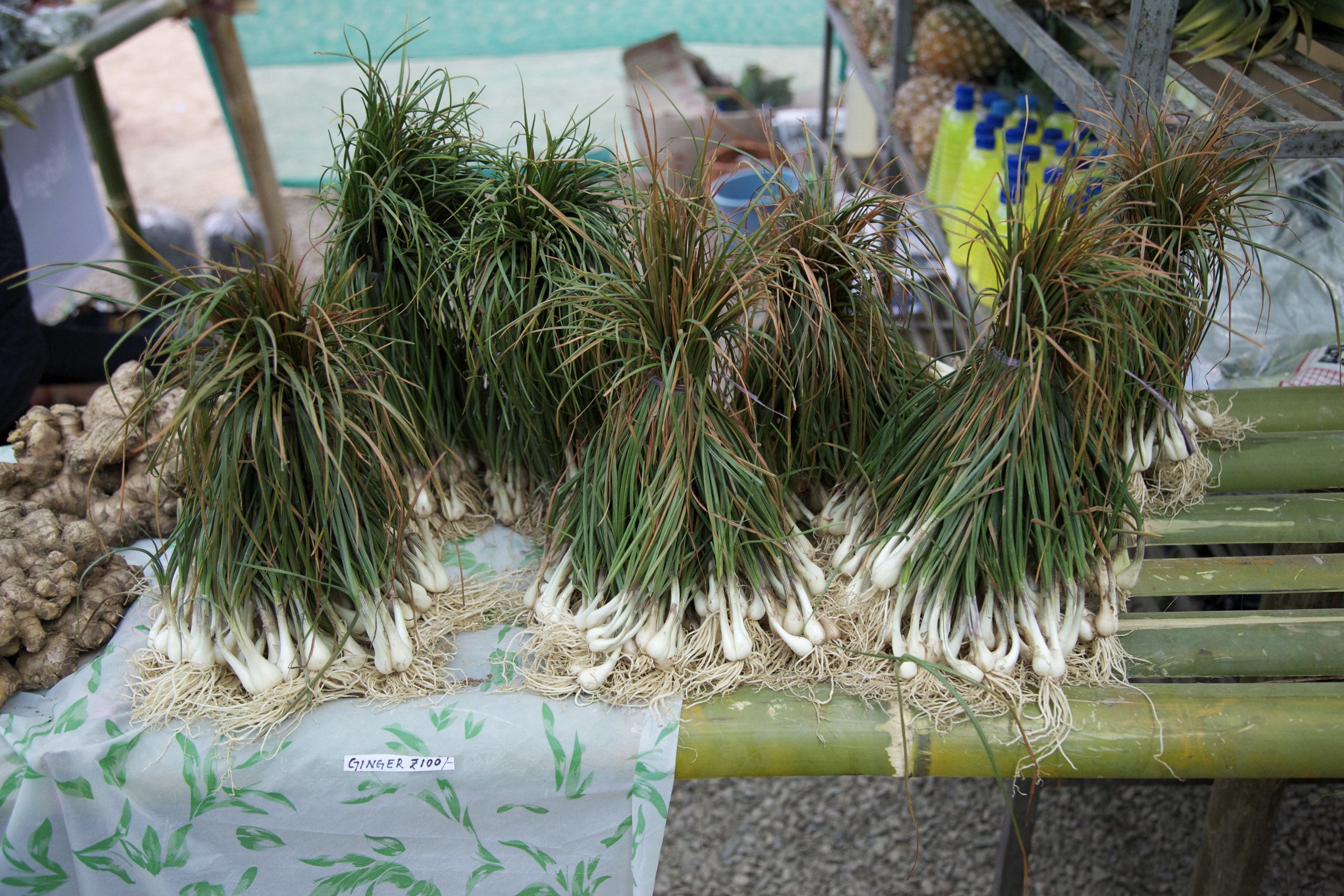
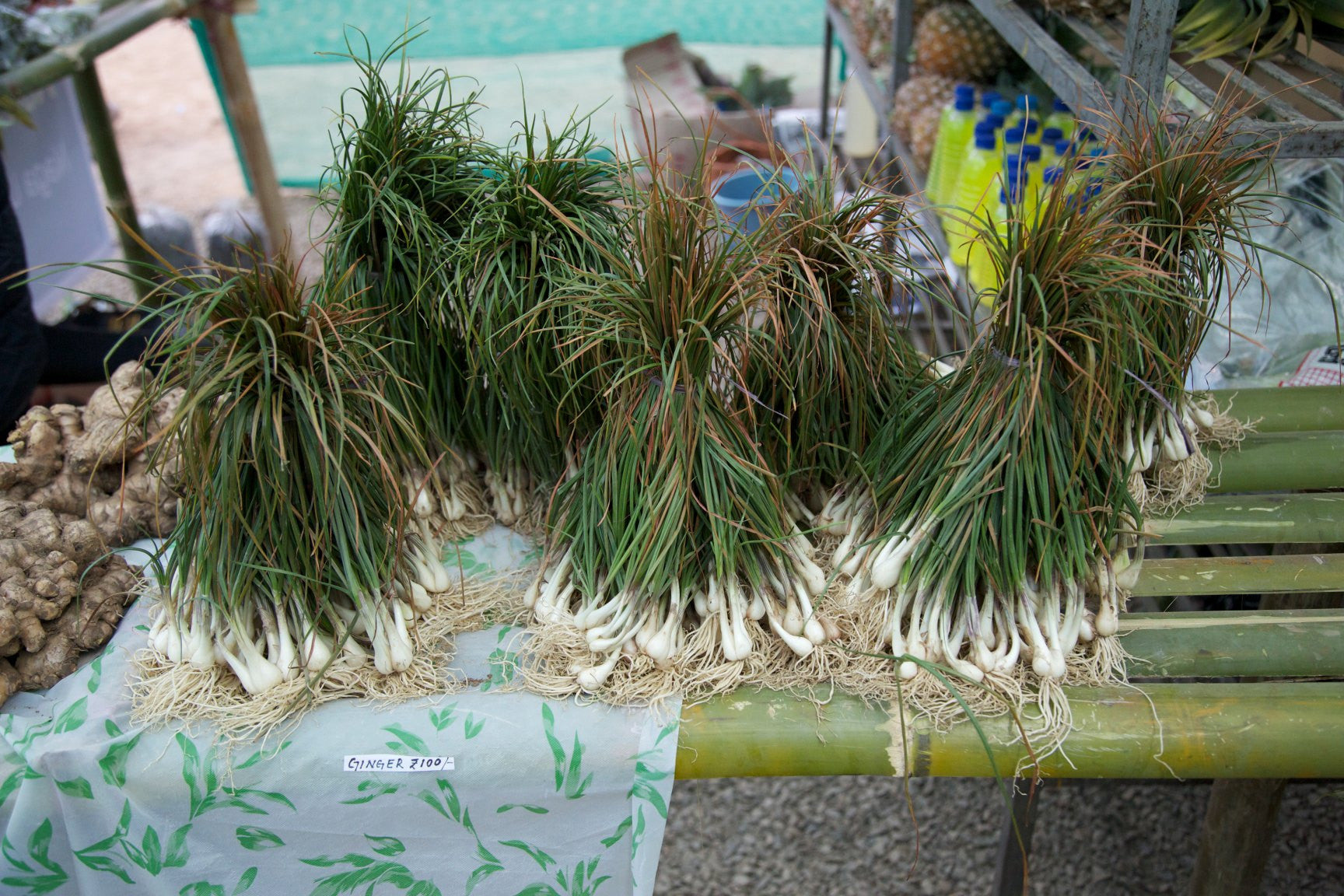
The species has a considerable culinary history. The small bulbs are widely eaten fresh, cooked or, most famously, pickled, where their crisp texture and pleasantly pungent onion flavour make them an excellent accompaniment to rice and other dishes. The young leaves and flower heads are also edible, and ethnobotanical studies in Yunnan record the inflorescences and leaves being stir-fried or pickled.
In China the plant is known as 藠头 (jiào tóu) or 薤 (xiè), and has been used as both food and medicine for more than two millennia. Traditional Chinese medicine uses the bulb, known as 薤白 (xiè bái), particularly as a warming digestive and for complaints involving the chest and respiratory system. Traditional ethnobotanical records include its use for stomach complaints, coughs and phlegm, while more recent studies describe it as a classic food-and-medicine plant.
The nomenclature is relatively straightforward by Allium standards. Allium chinense G.Don was published in 1827 and remains the accepted name. Older literature may instead use Allium bakeri Regel, A. bodinieri or A. martini, all now treated as synonyms.
Height: 20–40 cm
Spread: 20–30 cm
Flowers: October–November
Hardiness: Fully hardy in Britain with good drainage
Best grown in full sun in a fertile, well-drained soil. It appreciates reasonable moisture during active growth but is far less demanding than its exotic culinary reputation might suggest. Allow the clumps to bulk up before harvesting heavily; individual bulbs can be lifted selectively while leaving enough behind to maintain the colony.
A superb dual-purpose perennial for the kitchen garden, combining attractive late-season flowers with genuinely useful edible bulbs and foliage. And unlike many plants described as ‘edible’, this one has been doing the job for centuries. A little Chinese onion with a rather impressive CV — pickle it, cook it, admire it, and then wonder why we don’t grow more of it.
- Standard delivery: £9.99
- Free shipping on orders over £100
- Minimum order is £20
Read more: Shipping & Delivery